

 Back to Blogs
How Much Wear and Tear Can a Front Door Handle Before Replacement Is Needed?
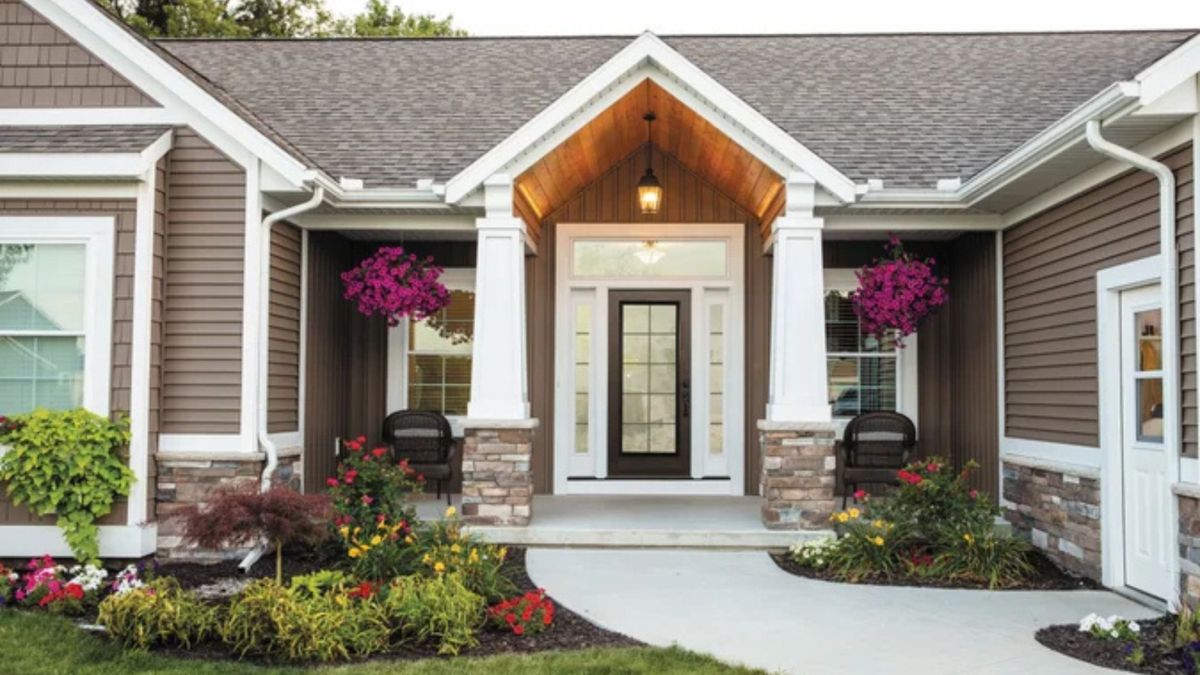
A front door can handle years of daily use and typical weather exposure before front door replacement becomes worth considering. What matters most is not age alone, but whether wear has begun to affect how the door opens, seals, and holds up against the elements.
How Much Wear and Tear Can a Front Door Handle?
Front doors are built to handle repeated opening and closing along with ongoing outdoor exposure, so some wear over the years is normal. Replacement becomes more relevant once that wear starts affecting how the door operates, seals, or looks, rather than staying purely cosmetic.
What Are the Common Signs of Front Door Wear?
Scratches, a fading or peeling finish, and small dents are usually cosmetic and do not necessarily point to a bigger problem on their own. Watch instead for damaged weatherstripping, loose hardware, visible gaps around the edges, and a door that has started to stick or drag when opening or closing.
Can Worn Weatherstripping Affect a Front Door?
Yes, weatherstripping forms the seal between the door and its frame, and once it wears down, cracks, or compresses, that seal weakens. A weaker seal shows up as drafts, a whistling sound on windy days, or a noticeable temperature difference near the entryway.
How Does Weather Exposure Affect an Older Front Door?
Rain, humidity, and repeated temperature swings gradually wear down a door's finish, hardware, and seals. This kind of exposure tends to affect the parts of the door most directly exposed to the elements first, including the bottom edge and any exterior-facing trim.
When Does Door Damage Go Beyond Cosmetic Wear?
Damage becomes more than cosmetic once it affects how the door functions, such as persistent gaps that will not close, poor alignment, or a door that is difficult to operate even after adjustment. Recurring air leakage or moisture reaching the interior side of the door also indicates that the issue has gone beyond surface-level wear.
A single scratch or a slightly faded panel rarely signals a bigger problem, but the same wear appearing alongside a door that no longer latches securely usually does. Looking at the whole picture, rather than one symptom in isolation, gives a clearer sense of where the door actually stands.
Does the Door Frame Matter When Evaluating Wear?
Yes, the frame and the opening around it are just as important to evaluate as the door slab itself. A door in decent shape can still perform poorly if the surrounding frame has shifted, developed gaps, or lost its seal against the wall, so replacing only the door will not always fix the underlying issue.
Homeowners often focus on the door panel because that is what they see and touch every day, while the frame quietly does just as much work holding the seal together. If wear keeps returning to the same spot after adjustments, the frame is usually worth a closer look.
Should You Repair or Replace a Worn Front Door?
A single problem, such as a damaged weatherstrip or a loose hinge, may require only a targeted repair if the rest of the door system is functioning well. However, replacement may be the better long-term option when several components show deterioration, fit poorly, or cause recurring sealing issues, making replacement more practical than repeated repairs.
What Should You Look for in a Replacement Front Door?
Compare door construction, weatherstripping, frame condition, and glass options rather than choosing on appearance alone. Ask about installation quality too, since a well-built door still depends on a proper fit within your specific opening to perform as intended. It helps to browse entry door options before your consultation.
Signs Worth Watching For
| Sign | What It May Indicate |
| Fading or peeling finish | Typically cosmetic, worth monitoring over time |
| Drafts or whistling near the door | Often points to worn weatherstripping |
| Sticking or dragging when opening | May indicate alignment or frame issues |
| Visible gaps around the edges | Can allow air leakage and moisture in |
| Persistent moisture near the frame | Worth a closer look at the frame and seal |
Every front door we install comes with a Lifetime Limited Warranty for long-term peace of mind. Restrictions may apply. For complete details, contact Window World of DC.
If your front door is sticking, drafty, or showing more than cosmetic wear, a front door replacement can address the underlying issue rather than a temporary fix. Contact us to schedule a free in-home consultation, or get your free quote to start comparing entry door options for your home.
Frequently Asked Questions
-
Look for signs beyond surface wear, such as persistent drafts, difficulty opening or closing, or gaps that do not close properly. If several of these occur together, replacement is typically worth considering rather than a series of individual fixes.
-
Yes, weatherstripping creates the seal around a closed door, and once it wears down or compresses, that seal weakens. This often shows up as drafts or a noticeable temperature difference near the entryway.
-
Common signs include damaged weatherstripping, visible gaps, difficulty operating the door, and moisture reaching the interior side. Cosmetic issues like fading or small scratches are usually less urgent on their own.
-
It depends on whether the issue is isolated or spread across multiple parts of the door system. A single worn component may only need attention there, while broader deterioration or recurring sealing problems often point toward front door replacement.
-
Evaluate door construction, weatherstripping, frame condition, and glass options together, along with installation quality. Comparing these details is more useful than relying on appearance or general marketing claims alone.