

 Back to Blogs
How Seasonal Weather Changes Impact Exterior Doors in Fairfax County Homes
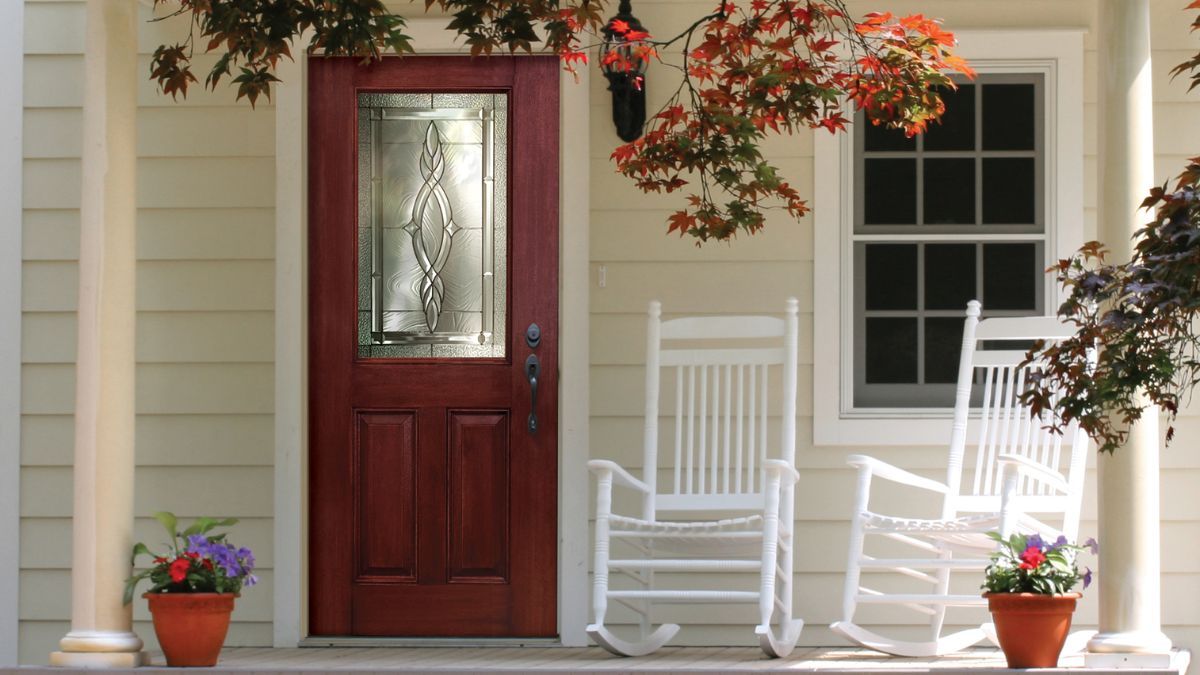
Seasonal weather affects exterior doors in Fairfax County, VA by making door materials expand, contract, and absorb moisture throughout the year. Over time, that movement leads to sticking, gaps, drafts, and worn seals. Fairfax County has four distinct seasons, and the front door faces all of them. It takes sun, rain, wind, and cold air every day. Knowing what each season does to a door helps homeowners catch small problems before they become comfort and energy-cost issues.
How Fairfax County’s Four Seasons Affect Exterior Doors
Heat pushes door parts outward, and cold pulls them back in. The slab, door frame, hardware, and seals are made from different materials, so each one moves a little differently. Repeat that cycle every year, and the fit of the door slowly changes.
Here is what each season usually brings:
- Spring: Winter moisture leaves stains and small cracks behind. Spring rain then tests the bottom edge and the door threshold.
- Summer: Heat and humidity make some materials swell. A door that sticks only in July or August usually points to seasonal movement.
- Fall: Temperatures start dropping, so gaps around seals and thresholds matter again before the heating season.
- Winter: Cold makes materials contract, which can open thin gaps along the edges.
Material choice changes how a door handles all this. Wood takes on moisture easily. Fiberglass entry doors are built to resist rotting, warping, and twisting in extreme weather, and models with a polyurethane foam core can offer up to four times the insulating R-value of wood. Even so, the frame and trim around a fiberglass door can still show moisture damage.
Common Exterior Door Problems Caused by Seasonal Weather
Most seasonal door trouble shows up in a handful of ways:
- Sticking or dragging: Summer humidity is the usual trigger. A door that sticks year-round often points to worn hinges, hardware, or a frame issue.
- Drafts and gaps: The U.S. Department of Energy’s Building America Solution Center notes that air leaking around doors causes drafts and heat loss. Daylight showing along the edges is a clear warning sign.
- Worn weatherstripping: Seals wear with age and stop closing the gap, which makes drafty doors more likely in winter.
- Frame damage: Repeated swings in moisture and temperature can cause cracks, soft spots, stains, and uneven spacing around the door.
- Warping or cracking: Persistent warping and visible cracks are signs the door itself is struggling.
- A door that is hard to lock: When a door shifts slightly, the bolt may no longer line up with the strike plate.
One sign alone does not always mean the door needs replacing. But recurring alignment problems, moisture damage, deteriorated frames, and drafts that continue despite maintenance usually point toward entry door replacement. If the frame is damaged, a licensed contractor should handle that before a new door is installed.
How to Protect Your Exterior Doors During Every Season
Good seasonal door maintenance is mostly about looking closely, four times a year. Check the slab, frame, seals, hardware, threshold, and how the door operates. Note any drafts or moisture along the way.
A simple seasonal routine looks like this:
- Spring: Look for stains or frame damage left by winter.
- Summer: Watch for sticking as humidity rises, and check the finish for sun fade.
- Fall: Inspect seals and threshold gaps before the heat comes on.
- Winter: Feel for cold air around the edges on a windy day.
A few habits help in every season:
- Gently clean the surface with mild soap and water.
- After heavy storms, check for moisture around the door.
- Try the paper test. Close the door on a sheet of paper, and if it slides out with no resistance, the seal may be loose.
- Keep the area outside the door clear so water drains away from the entry.
- Add a storm door for extra protection from rain and wind.
A professional inspection makes sense whenever drafts, moisture, or operating problems keep returning. Choosing energy-efficient exterior doors during a replacement also helps keep indoor temperatures steadier through hot and cold stretches.
Bottom Line
Fairfax County’s seasons take a toll on exterior doors, but most problems show up early through sticking, daylight at the edges, or a cold draft. Regular checks tell you the difference between normal seasonal movement and real damage. Fix the cause early, and the door keeps protecting the home and its curb appeal.
For homeowners considering new exterior doors in Fairfax County, VA, Window World of Washington D.C. offers fiberglass options on its Entry Doors page, and a free quote is available on request.
Frequently Asked Questions
-
Heat and humidity make door materials expand, and cold makes them contract. Over time, this changes the door’s fit, seals, and alignment.
-
Summer humidity can swell some door materials and change how the door fits its frame. If it sticks only in warm months, seasonal movement is the likely cause.
-
Cold air contracts materials and can open small gaps around the edges, especially when weatherstripping is worn. Daylight along the door edge is a sign to have it checked.
-
Once each season is a good rhythm. Check the seals, hardware, threshold, frame, and how the door latches.
-
Consider replacement when warping, moisture damage, cracks, or drafts keep coming back despite maintenance.
-
Yes. Fiberglass entry doors are engineered to resist rotting, warping, and twisting in extreme weather.