

 Back to Blogs
What DC Homeowners Should Know Before Replacing an Exterior Door
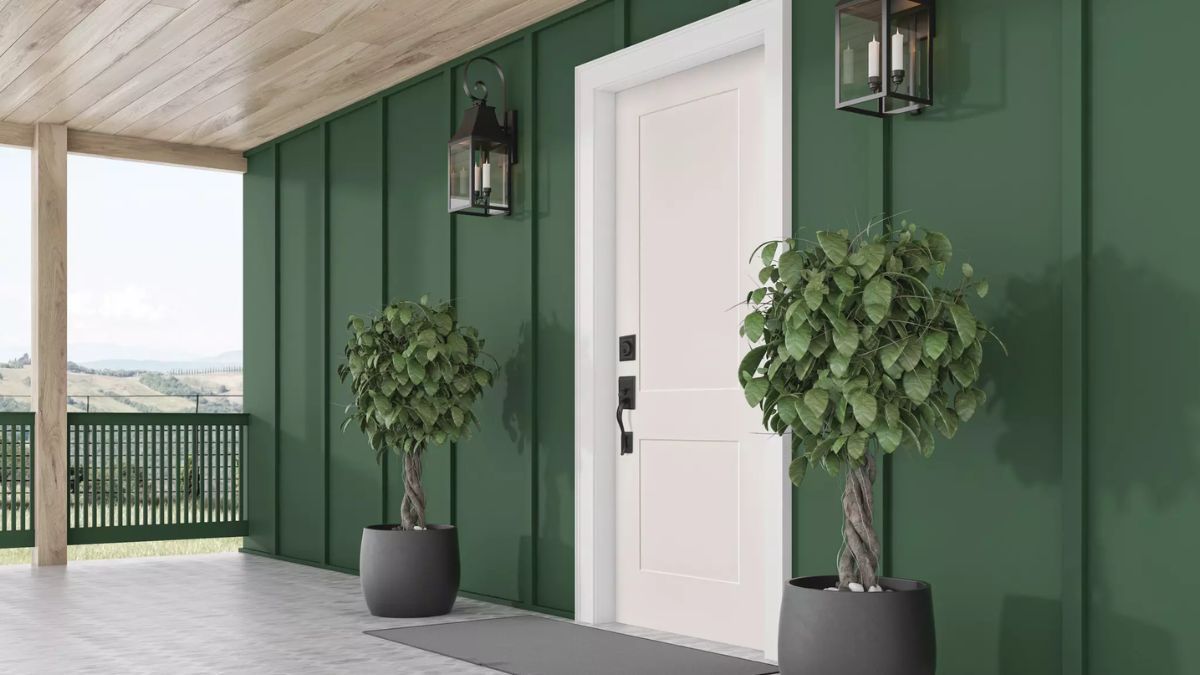
Exterior door replacement in Washington, DC makes sense when your door sticks, leaks air, shows moisture damage, or no longer locks smoothly. Before you order anything, you need to understand how our climate treats doors, what style suits your home, and what a full replacement actually involves. DC has four distinct seasons. Your front door deals with humid summers, cold snaps, and storm weather every year. That wear adds up quietly. This guide covers the warning signs, the choices that matter, and the questions worth asking before the work starts.
Signs It Is Time for Exterior Door Replacement
Not every sticky door needs to go. Heat makes door parts expand and cold makes them contract, so a little seasonal movement is normal. The slab, frame, hardware, and seals are made of different materials, and each one moves a bit differently.
The trouble starts when the problem keeps coming back. Here are the signs that point toward a new door:
- Daylight showing along the edges when the door is closed
- A door that drags, sticks all year, or the front door not closing properly
- Cracks, deterioration, or persistent warping
- Moisture stains or a soft, damaged frame
- Drafts that continue after you have replaced worn seals
- Repeated repairs that never seem to hold
One sign alone does not always mean replacement. A door that sticks only in August is often reacting to humidity. A door that sticks in every season usually points to hinges, hardware, or the frame.
A tired door also lets in moisture after storms. That is why energy efficient entry doors with tight seals and a solid threshold are worth a close look.
What to Decide Before You Order a New Door
A new door is a big visual and practical decision. Here’s what to consider before investing in exterior door replacement in Washington, DC.
1. Match the Door to Your Home
A Capitol Hill rowhouse, a brick colonial in Chevy Chase, and a townhome in Southeast all call for different looks. Think about proportions, trim, and the colors already on your exterior.
Most homeowners choose from a few directions:
- Traditional panel styles for older and classic homes
- Woodgrain finishes for a warm, natural look
- Smooth surfaces with plenty of color options
- Contemporary designs with bold glass patterns
Photos of your own house help here. Some remodelers offer online visualizer tools that let you test doors on a picture of your home before you commit.
2. Check the Rules for Your Property
If your home sits in a historic district, a visible front door may need review before you change it. Ask your installer, and check with the DC Department of Buildings about permits for your specific project. Rules vary by property, so confirm early rather than after the door arrives.
3. Choose a Door Built for Humid Summers
If you are searching for the best front doors for humid climates, look for doors engineered to resist rotting, warping, and twisting in extreme weather. Frames and trim can still show moisture damage, so the whole opening matters.
Seals, weatherstripping, and the threshold deserve as much attention as the door slab. A great door with a worn seal still leaks.
4. Think About Security and Light
Older doors often have worn locks and loose hardware. A new door lets you choose a stronger lock setup and add glass for daylight if you want it. Decorative glass adds light and privacy together, so ask to see the options in person.
5. Insist on Professional Installation
A door only performs as well as it fits. Gaps of even a few millimeters can bring back the drafts you were trying to fix. Professional installation also protects product warranties, which often depend on how the door was installed.
A proper front door replacement DC project removes the old door entirely and installs a brand-new one. That is different from patching or adjusting what you already have.
6. Plan Around the Calendar
Fall is a smart time to act. Winter leaks are easier to prevent than to live with, and you will see the difference the first cold week. Spring brings its own rush, so earlier planning gives you more choice.
7. Ask for Itemized Pricing
Request a free quote that lists the door, hardware, glass, and installation separately. Clear line items make it easy to compare options and avoid surprises. If a number is vague, ask what it covers.
Bottom Line
Exterior door replacement in Washington, DC works best when you watch for recurring problems, protect the frame, and choose a door built for our humid summers and cold winters. Get the style, seals, and installation right, and the door should serve your home well for years.
Window World of Washington D.C. is locally owned and nationally known, with 25+ million windows installed for 3.8+ million customers, and you can start with a free quote.
Frequently Asked Questions
-
Look for daylight around the edges, sticking all year, moisture damage, cracks, warping, or drafts that continue after maintenance. Repeated problems usually point to replacement.
-
Summer heat and humidity can change how a door fits its frame. A door that sticks only in certain seasons often shows normal seasonal movement.
-
Choose a door engineered to resist rotting, warping, and twisting, with tight seals and a solid threshold. Proper installation matters just as much.
-
Yes. According to the U.S. Department of Energy’s Building America Solution Center, air leaking around doors causes drafts and heat loss.
-
It depends on the property and the project. Homes in historic districts may need review, so check with the DC Department of Buildings and your installer first.
-
If the frame is cracked, soft, or water damaged, a licensed contractor should address it before the new door is installed.