

 Back to Blogs
Exterior Door Replacement Considerations for Northern Virginia Homeowners!
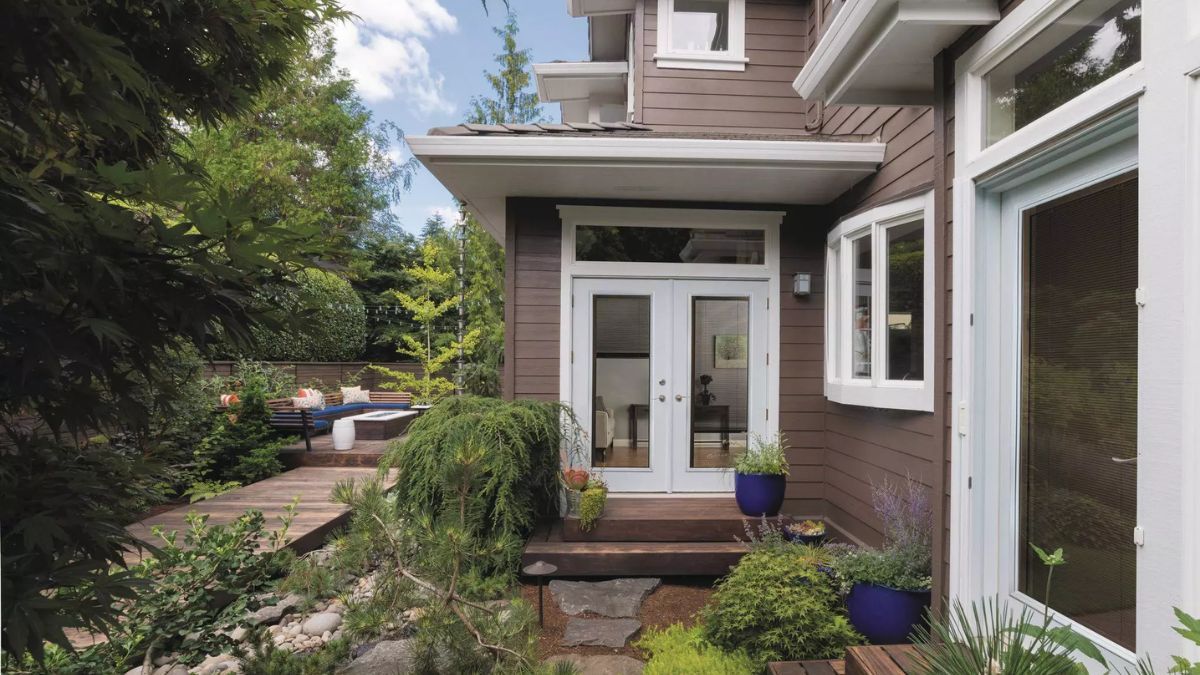
Exterior door replacement in Northern Virginia makes sense when your door sticks, leaks air, shows moisture damage, or no longer locks reliably. The best results come from evaluating the whole entry, the door, frame, seals, and installation, not just the door slab.
Northern Virginia homes deal with hot, humid summers, cold winters, and heavy storms. That cycle is hard on any entry, and it is why a few smart decisions up front save real money and frustration later. This guide covers what to check, what to compare, and how to avoid the mistakes that cost homeowners twice.
Exterior Door Replacement Considerations for Homeowners
1. Start With the Real Problem, Not the Door Style
Plenty of homeowners start by browsing colors. You should start with symptoms instead. A door that sticks only in August is often reacting to humidity. A door that sticks all year may point to loose hinges or a shifted frame. Daylight along the edges, cold drafts near the floor, or a latch that no longer catches are all clues about what is actually failing.
Common signs that exterior door replacement in Northern Virginia deserves a serious look:
- Warping, cracking, or visible damage to the slab
- Soft spots, stains, or rot in the frame
- Drafts that continue after the seals are refreshed
- Locks that stick, spin loosely, or need extra force
- Repeated repairs that never quite hold
One sign alone rarely settles it. Several at once, or the same problem returning, usually does.
2. Know How Our Climate Treats a Door
Northern Virginia has four distinct seasons, and every one of them moves your door a little. Heat makes materials expand and cold makes them contract. The slab, frame, hardware, and seals are made of different materials, so each shifts at its own pace.
Small seasonal movement is normal. Trouble starts when that movement opens gaps around the frame or threshold, the raised strip at the bottom of the doorway. The U.S. Department of Energy’s Building America Solution Center notes that air leaking around doors causes drafts and heat loss, which is a quiet drain on both comfort and utility bills. Humidity matters too. Moisture can swell some door materials, and frames and trim can show water damage even when the door itself holds up.
3. Choose a Material Built for Weather
Material is where most long-term satisfaction is won or lost. Fiberglass entry doors are engineered to resist rotting, warping, and twisting in extreme weather, which suits a region that swings from muggy to freezing in a few months.
Fiberglass also comes in several looks. Some styles carry a rich grain pattern, some are smooth for a clean modern face, and some pair bold glass designs with contemporary lines. That range lets you protect curb appeal without trading away durability.
4. Look Closely at Energy Performance
An energy-efficient entry door helps keep rooms steadier through July heat and January cold. Three things drive that result:
- The door’s core: An insulated core slows heat moving through the slab.
- The seals: Quality weatherstripping blocks air at the edges, though it wears with age.
- The glass: If your door has glass panels, ask about low-E glass, a thin coating that reflects heat while still letting in daylight.
A tight door also keeps out moisture and street noise, which homeowners tend to notice within the first week.
5. Take Security Seriously
Good home security starts with basics. The DC Metropolitan Police Department advises a strong, well-installed deadbolt on every exterior door and says key-in-the-knob locks alone are not enough.
The door and frame work as a pair. A cracked or soft frame can weaken even a sturdy lock, and a loose fit can keep a door from latching properly. No door can guarantee protection, so pair a solid one with good habits. Do not forget the other exterior doors. Patio and sliding doors deserve the same scrutiny as the front entry.
6. Check the Frame Before Anything Else Goes In
A new door in a damaged frame is a short-lived upgrade. Look for gaps, soft spots, stains, and uneven spacing around the opening. If the frame needs work, a licensed contractor should complete it before the new door goes in. This is the step people skip most often, and it is the one that causes the most callbacks.
7. Plan for Professional Door Installation
Professional door installation matters as much as the door you pick. Even an excellent door performs poorly when it is hung out of square, shimmed badly, or sealed carelessly. Professional installation also protects your warranty, since most manufacturers expect certified work.
We recommend leaving hardware changes and modifications to the manufacturer’s guidance. Unapproved swaps can change how a door performs and may affect coverage.
8. Check Local Rules Before You Order
Northern Virginia covers many jurisdictions, from Fairfax and Arlington to Loudoun, Prince William, and Alexandria. Rules differ. Homeowner associations often have say over door style and color, and historic districts can be stricter still. A quick call to your HOA or county office before ordering can prevent a costly redo.
Bottom Line
Successful exterior door replacement in Northern Virginia comes down to diagnosing the real problem, choosing a weather-ready material, checking the frame, and trusting professional installation. Get those four right and the result is a quieter, tighter, more secure entry that looks good from the street.
Window World of Washington D.C. offers fiberglass entry doors and a no-obligation free quote for homeowners across Northern Virginia.
Frequently Asked Questions
-
Cost depends on door style, glass, size, hardware, and whether the frame needs repair. A free quote with itemized pricing is the most reliable way to get a real number for your home.
-
Most single-door replacements are completed in a few hours to one day once the door arrives. Frame repairs or custom sizes can add time.
-
Fiberglass is a strong fit because it resists rotting, warping, and twisting in humid summers and cold winters. It also holds up well to storms.
-
Replace it when you see persistent warping, moisture damage, a deteriorated frame, lasting drafts, or locks that no longer work reliably. Recurring repairs are another strong signal.
-
Yes. Professional installation protects performance and warranty coverage, and it ensures the door is level, sealed, and secure.
-
Often, yes. Many Northern Virginia communities regulate door style and color, so confirm the rules before you order.