

 Back to Blogs
What Makes a Door Energy Efficient for Homes Around Washington, DC?
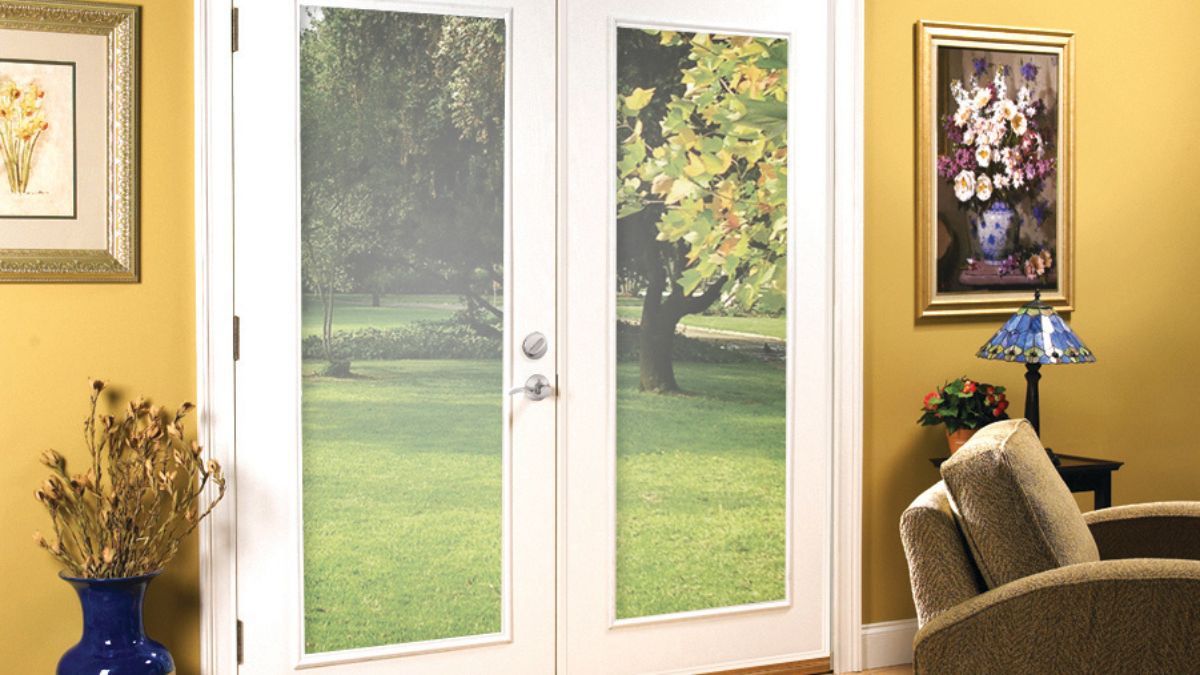
A door is energy efficient when it keeps indoor air where it belongs. That takes an insulated core, tight weatherstripping, a sound frame, and glass that limits heat transfer. For energy-efficient exterior doors in Washington, DC, this matters more than most homeowners expect. The District has four distinct seasons, and humid summers and cold winters push a door hard in both directions.
Most heat loss at an entry point is not dramatic. It is a thin line of daylight along the edge, a cold floor near the threshold, or a door that sticks every July. Small gaps add up over a year. This guide covers what to look for, how installation affects performance, and how to pick a door that suits your home.
What Makes a Door Energy Efficient for Homes Around Washington, DC
Four parts decide how well an energy-efficient entry door performs. Each one fails in its own way.
- The core - The slab is the big flat part of the door. Insulation inside it slows heat moving in or out. Fiberglass doors often use a polyurethane foam core, which is a dense foam that fills the space inside the slab. For example, Window World’s Fiber-Classic line lists up to four times the insulating value of wood. Insulating value is called R-value, and a higher number means better resistance to heat flow.
- The seals - Weatherstripping runs around the door edges, and a sweep sits along the bottom. Seals compress and wear over time. The U.S. Department of Energy’s Building America Solution Center notes that air leaking around doors causes drafts and heat loss.
- The frame and threshold - Frames can shift or soften when moisture gets in. A door slab can be perfect and still leak if the frame has shifted.
- The glass - Many front doors have glass panels, and glass loses heat faster than a solid slab. Look for insulated, double-pane glass. Some glass has a low-E coating, a microscopically thin layer that reflects heat toward its source.
Here are the numbers you will see on a door label:
- U-factor: how quickly heat passes through the door. Lower is better.
- Solar heat gain coefficient (SHGC): how much of the sun’s heat comes through the glass. Lower helps in hot months.
- Air leakage: how much air passes through the closed door. Lower is better.
Look for an ENERGY STAR certified door or an NFRC label. NFRC stands for the National Fenestration Rating Council, which tests and rates doors and windows.
Why Washington, DC Weather Is Hard on Doors
Heat makes door parts expand. The cold makes them contract. The slab, frame, hardware, and seals are made of different materials, so each moves a bit differently. Over years, that can shift a door’s fit and open small gaps.
Summer humidity adds moisture, which is why some doors stick in July and behave in January. A door that sticks in only one season usually points to seasonal movement. If a door sticks year-round, it may have a hinge, hardware, or frame problem.
Does Professional Door Installation Improve Energy Efficiency?
Yes. A well-rated door can still leak if it is installed poorly. The label describes the door as tested in a lab, not how it sits in your opening.
Here is what a professional crew controls:
- Fit: the door must sit square in the opening, with even gaps on all sides.
- Sealing: the space between the frame and the house wall needs proper insulation and sealant, or air moves right around the door.
- Threshold and sweep: these must meet the slab evenly so the bottom edge closes tight.
- Weather protection: correct flashing keeps water from running behind the frame.
Installation also protects the warranty. Manufacturers expect their products to be installed to spec, and a poor install can cause problems the warranty will not cover.
How Can You Choose the Right Energy-Efficient Door for Your Home?
Start with how your current door behaves. Then work through this list:
- Look for warning signs: Daylight along the edges, drafts you can feel by hand, a door that is hard to lock, or moisture stains near the frame all suggest the seal is failing.
- Read the label: Compare U-factor and air leakage numbers between models. Ask for ENERGY STAR or NFRC ratings.
- Pick the right material: Fiberglass resists rot, warping, and rust, and it needs little upkeep beyond gentle cleaning with mild soap and water.
- Think about glass: A full-lite door brings in daylight but has more glass to insulate. Privacy glass or a half-lite design can balance light with comfort.
- Consider the locking system: Multi-point locks engage at several points along the edge. They add security and can pull the door tighter against the seals.
- Match the style to your home: Rowhouses, colonials, and newer builds around the District all call for different looks. A good visualizer tool lets you test colors before you commit.
- Add a storm door if it makes sense: It gives the entry an extra layer in winter and allows airflow in spring.
Bottom Line
An energy-efficient door is a system, not a single feature. The insulated core, tight seals, sound frame, and efficient glass must work together, and careful installation ties them into your home. For homeowners shopping for energy-efficient exterior doors in Washington, DC, comfort and lower energy waste come from getting all four right, not just buying the highest-rated slab.
Window World of Washington D.C. offers fiberglass entry doors for homes across the area, and you can get a free quote to see what fits yours.
Frequently Asked Questions
-
An insulated core, tight weatherstripping, a well-sealed frame, and efficient glass. Together, they limit heat transfer and air leaks.
-
Yes. Many have a polyurethane foam core that insulates well, and fiberglass resists rotting, warping, and rusting.
-
Look for daylight around the edges, feel for drafts near the frame and threshold, and notice whether it is hard to latch.
-
It means the door meets efficiency requirements set for your climate region. It is a good starting point when comparing models.
-
Yes. Gaps around the frame can leak air even when the door itself is highly rated, so fit and sealing matter as much as the product.
-
Consider it when damage, warping, moisture problems, or drafts keep returning despite reasonable maintenance.