

 Back to Blogs
What Washington, DC Homeowners Check Before Hurricane and Storm Season?
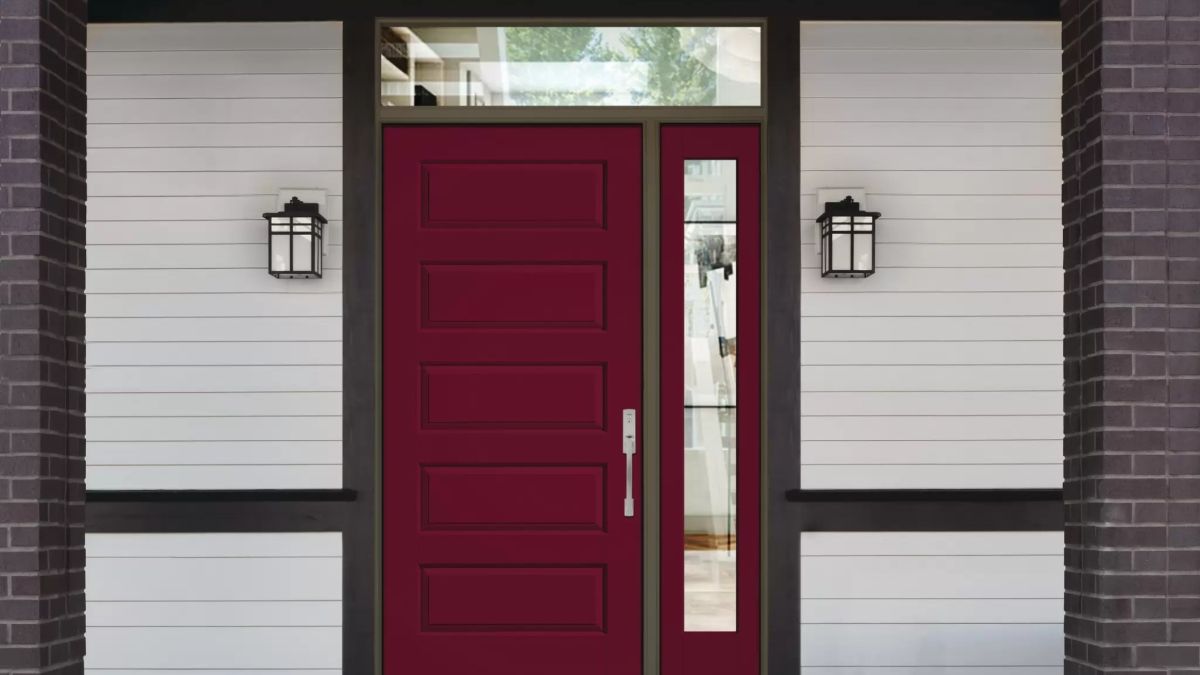
Storm door replacement in Washington, DC may be worth considering if your door has cracked glass, a loose frame, worn seals, or hardware that no longer works. Before storm season, inspect the storm door, frame, weatherstripping, hinges, latch, screen, and glass. Then check your gutters and other exterior openings.
Atlantic hurricane season runs through November 30, according to the CDC, so there is still time to act.
Is Your Storm Door in Good Condition?
Look for dents, cracks, loose parts, and torn screens. A healthy storm door sits square, opens smoothly, and closes firmly.
Inspect both sides in daylight. Test glass and screen corners for chips or loose edges. Damaged panels can let in rain and wind.
Are the Door Seals and Weather Stripping Intact?
Seals should be flat, flexible, and unbroken. Worn door seals can let in drafts, rain, and moisture.
The U.S. Department of Energy suggests closing the door on a dollar bill. If it slides out easily, air is probably leaking around the door.
Is the Door Frame Secure?
A secure door frame is straight, tight to the wall, and free of gaps or soft spots. A door that no longer fits its opening can signal a frame problem.
If the frame needs work, a licensed contractor should handle it before any new door is installed.
Does the Door Hardware Work Properly?
Hinges, handles, locks, latches, and the door closer should work smoothly without sticking or sagging. Failing door hardware can keep a door from latching in strong winds.
Open and close the door several times. A door that drags often has sagging hinges.
Are Your Exterior Doors Ready for Heavy Weather?
Every exterior door should close tightly, latch firmly, and sit on a sound threshold.
FEMA advises locking doors and windows before a storm. NOAA calls the garage door the most vulnerable part of a home in hurricane winds, so include it in your plans. Our guide on why older entry doors lose performance over time shows what wear looks like.
Do You Have Signs of Water or Moisture Damage?
Stains, damp spots, peeling paint, and soft trim near a door usually mean water infiltration. Check right after the next heavy rain.
Moisture intrusion often starts small and may involve more than the door.
When Should You Consider Storm Door Replacement?
Consider replacement when damage is significant, problems keep returning, or the door no longer gives the weather protection you expect. The right answer depends on the door and the surrounding parts.
Common signs include:
- Cracked glass or serious physical damage
- A badly deteriorated frame
- Persistent gaps around the door
- Hardware that no longer works
- Water entering around the door
A loose screw or one worn seal may not call for a new door. For larger problems, homeowners exploring storm door replacement in Washington, DC can choose from Storm Doors in security, ventilating, retractable screen, and full view styles. We remove the old door and installed a brand-new one. A storm door adds everyday weather protection, but it does not make a home hurricane-proof.
What Other Exterior Areas Should You Check?
Check windows, gutters, and loose outdoor items. These affect how your home handles heavy rain and strong winds.
- Windows: look for cracked glass and worn seals on your windows
- Gutters: clear debris so water can drain, as FEMA recommends
- Outdoor items: bring in furniture and grills, since winds can turn them into projectiles
What Should You Do Before Storm Season Begins?
Inspect, list the problems, and ask a professional about anything serious.
Window World of Washington D.C. is Locally Owned. Nationally Known. As America's Exterior Remodeler, we have installed 25+ million windows for 3.8+ million customers since 1995. Schedule a free in-home quote with a Design Consultant through Get A Free Quote or Contact Us. We can help you plan a storm door replacement in Washington, D.C., before the next round of severe weather.
Frequently Asked Questions
-
Your storm door may need replacement if it has cracked glass, a damaged frame, persistent gaps, or failing hardware. Water entering around the door is another sign. The right choice depends on the door and its surroundings.
-
Check the glass, screen, seals, hinges, closer, and latch. Make sure the door closes tightly and sits square in its frame.
-
Yes, worn weatherstripping can let in drafts and moisture. Gaps can also admit wind-driven rain. A professional can tell you whether the seals or the whole door need attention.
-
It is wise to have a damaged storm door evaluated before severe weather arrives. Replacement may make sense if damage is significant or keeps returning. A storm door is not a substitute for shutters or guidance from local officials.
-
Check windows, gutters, garage doors, and loose outdoor items. Clear drains so rain can flow away from the house. FEMA also recommends trimming trees that could fall on your home.