

 Back to Blogs
How to Tell If Moisture Damage Around Your Front Door Is Getting Worse?
Is moisture damage around your front door getting worse? Learn the warning signs and when door replacement in Washington, DC may make sense.
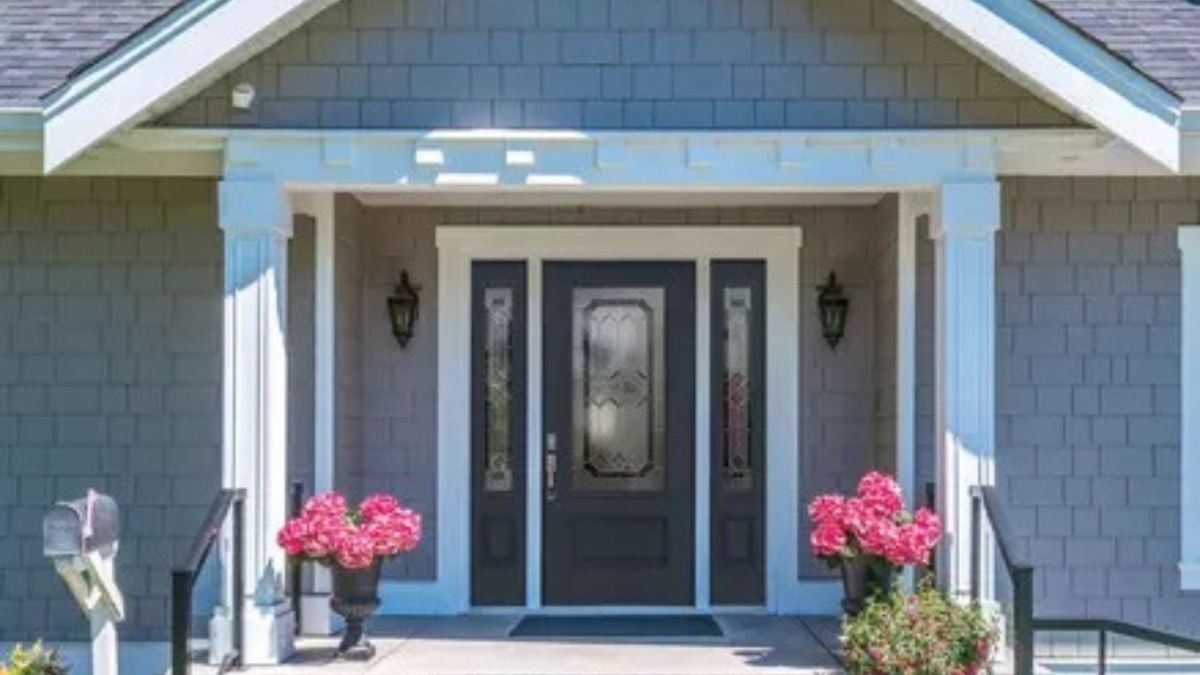
Door replacement in Washington, DC may be the right step when moisture damage around a front door keeps spreading. Watch for growing stains, soft trim, peeling paint, musty smells, or water after rain. Track what you see and get a professional opinion before a small moisture intrusion becomes major water damage.
The U.S. Environmental Protection Agency says the key to mold control is moisture control.
What Are the Early Signs of Moisture Around a Front Door?
Early signs include small stains, damp spots, peeling paint, and a musty smell near the door. They often show up first at the threshold, trim, or bottom corners of the frame.
Damp spots can point to water infiltration.
How Can You Tell If the Damage Is Getting Worse?
Track it. Photograph the spot, mark the edge of any stain with a pencil, and recheck weekly and after storms. Growth, new spots, or softer materials mean the problem is getting worse.
Is Your Door Threshold Holding Water?
A threshold that stays wet, stained, or spongy after rain may be letting water in. The door threshold sits at the lowest point, so water gathers there first.
Water at the bottom of a door often indicates a seal or fit issue.
Are the Door Frame and Trim Getting Soft?
Soft, swollen, cracked, or crumbling trim suggests moisture has likely been present for some time. A door frame should feel firm all the way around.
If the frame needs work, a licensed contractor should complete it before a new door is installed. Our article on why older entry doors lose performance over time shows what wear looks like.
Do Peeling Paint and Stains Mean Water Is Getting In?
Often, yes. Bubbling paint, dark stains, and warped trim around a door usually mean moisture is present. Covering them does not fix the source.
The EPA advises addressing the source of the water problem, since cleaning the surface is not enough if water continues to enter.
Could Weather Stripping and Seals Be the Cause?
Yes. Worn weather stripping and seals can let in drafts, wind-driven rain, and moisture. The U.S. Department of Energy notes that air leaks around doors cause drafts.
Daylight around the edges points to a poor seal. Our guide on how replacement doors improve energy efficiency covers seals and comfort.
How Fast Should You Act on Moisture Problems?
Act quickly. The EPA advises drying water-damaged areas within 24 to 48 hours. Note where the water comes from, then have a professional check the door, frame, and seals.
When Is Door Replacement in Washington, DC the Right Step?
Door replacement in Washington, DC makes sense when moisture damage keeps returning, spreads, or affects the frame or threshold. The right answer depends on the door, the frame, and the cause of the problem.
Signs that replacement may make sense:
- Stains or soft spots that keep spreading
- A deteriorated frame or threshold
- Persistent gaps, drafts, or leaks
- A warped door that no longer seals
- Repeated repair needs
Window World replaces the whole door. We remove the old one and install a brand-new one with professional installation. Our Entry Doors are engineered to resist rotting, warping, and twisting in extreme weather.
How Can You Help Prevent Moisture Problems?
Check your door after heavy rain and each season, and address small problems early. Clean the door gently with mild soap and water.
Our entry door lifespan guide for the Mid-Atlantic climate explains how weather affects doors over time.
Window World of Washington D.C. is Locally Owned. Nationally Known. As America's Exterior Remodeler, we have installed 25+ million windows for 3.8+ million customers since 1995. Schedule a free in-home quote with a Design Consultant through Get A Free Quote or Contact Us. We can help you decide whether door replacement in Washington, DC is right for your home.
Frequently Asked Questions
-
Track the area with dated photos and check it weekly and after storms. Growing stains, softer trim, or new spots mean it is likely getting worse.
-
Yes, mold needs moisture to grow, and damp areas near a door can support it. The EPA advises drying wet areas within 24 to 48 hours and fixing the source of the water.
-
Yes, a worn threshold or damaged seal can let in rain and moisture. Daylight around the door is a warning sign. A professional can tell you whether the seals or the whole door need attention.
-
Consider replacement when moisture damage spreads, the frame or threshold deteriorates, or problems keep returning. One sign alone does not always mean replacement. The right choice depends on the door and its frame.
-
Yes, if the damage is growing, the frame feels soft, or you see mold. A professional can help find where the water is coming from.