

 Back to Blogs
How to Choose the Right Replacement Door Style for Your Washington, DC Home
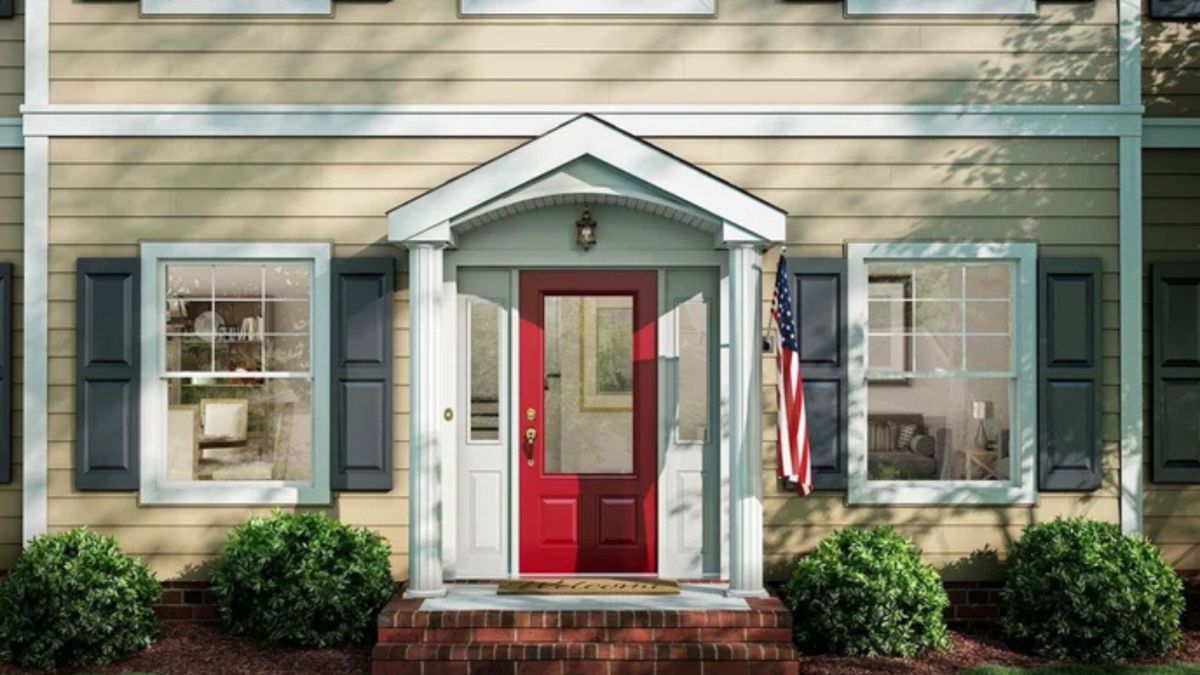
The right replacement door style comes down to three things: how well it matches your home's architecture, how the material holds up in DC's climate, and how the color and glass details work with your exterior. For homeowners comparing replacement door options in Washington, DC, weighing these factors together matters more than picking whatever style is trending.
Why Should Your Replacement Door Match Your Home's Architecture?
Your front door sits at the visual center of your home's exterior, so its design, panel configuration, and glass details should echo the house's architectural period. A door that clashes with the roofline or trim can throw off the whole facade, even when the door itself is well built.
Which Replacement Door Styles Work With Different Home Designs?
Different DC home styles tend to call for different door proportions and detailing.
- Traditional or Colonial-Inspired Homes: Balanced proportions and classic panel designs, like Classic Craft® Entry Doors, tend to look most at home here.
- Craftsman-Style Homes: Strong lines and warm wood-look finishes complement the style, which is where our Woodgrain Entry Doors fit in.
- Federal or Historic-Inspired Homes: Symmetry and understated trim tend to suit these facades. Confirm any preservation requirements with your local jurisdiction rather than assuming one applies.
- Contemporary Homes: Clean lines and bold glass configurations fit modern exteriors, which is the idea behind Pulse® Modern Entry Doors.
- Transitional Homes: A traditional door structure paired with more contemporary hardware can bridge older architecture with an updated look.
These are general design considerations, not rigid rules.
How Do Door Materials Affect Style and Performance?
Material affects how a design holds up over time, not just how it looks on day one. Engineered, factory-finished doors generally resist warping and swelling better than natural wood across DC's humid summers and cold winters. Smooth-Star® Entry Doors, for example, offer a clean, paintable surface that holds a wide range of finishes.
What Door Color and Finish Should You Choose?
Coordinate your door color with the siding, brick, or trim, or choose a deliberate point of contrast. A muted tone reads as classic, while a bolder hue draws attention to the entryway without overwhelming the rest of the exterior. Our Design Center visualizer lets you test front door color and style options against a photo of your home before you decide.
How Do Glass and Decorative Features Change a Door's Appearance?
Glass panels, sidelites, and decorative details change how much natural light reaches your entryway and how much privacy the door offers. Full-lite and half-lite configurations bring in more daylight, while privacy or textured glass limits visibility from the street without blocking light entirely.
How Important Are Door Size and Proportion?
A replacement door should fit the existing opening, trim, and any sidelites without looking undersized or oversized for the facade. Because dimensions vary by home, confirm the exact sizing during an in-home consultation rather than relying on a general guide.
Should Energy Efficiency and Security Influence Your Door Choice?
Appearance matters, but insulation, weatherstripping, and proper installation affect day-to-day performance. A well-built, well-installed, energy-efficient entry door can improve comfort and reduce drafts, though results depend on the product and installation quality. Locking hardware and glass configuration are also worth a look, since coverage over the lock area varies by style.
What Should Washington, DC Homeowners Consider When Choosing a Replacement Door?
DC's humid summers, cold winters, and older housing stock mean door materials need to hold their shape and seal well across a wide temperature range. Many DC neighborhoods also have a strong architectural identity, from Capitol Hill rowhouses to Craftsman bungalows in Petworth, so factor that into your Washington, DC replacement door search alongside performance.
When Is It Time to Replace Your Front Door?
Persistent drafts, visible warping, difficulty opening or closing, and a door that no longer seals tightly are common signs you need a new entry door. Minor wear alone may not call for a full replacement, but when several signs appear together, replacement is typically the more practical option. If the surrounding frame shows structural damage, a licensed contractor should handle that work before installing a new door.
Door Style at a Glance
| Home Style | Replacement Door Considerations |
| Traditional or Colonial | Classic panels and balanced proportions |
| Craftsman | Strong lines and simple, warm detailing |
| Federal or Historic-Inspired | Symmetry and restrained trim |
| Contemporary | Clean lines and minimal ornamentation |
| Transitional | Blend of traditional structure and modern finishes |
Every entry door we install comes with a Lifetime Limited Warranty for long-term peace of mind. Restrictions may apply. For complete details, contact Window World of DC.
If you are ready to compare replacement doors Washington, DC homeowners are choosing for their own homes, we can walk through style, material, and color options during a free in-home consultation. Contact us to schedule a visit, or get your free quote to start exploring our entry door options.
Frequently Asked Questions
-
Start with your home's architectural style, since panel design and trim details should complement the exterior; then narrow by material, color, and how much natural light you want at the entryway.
-
Classic panel configurations and balanced proportions tend to suit traditional and colonial exteriors best. Classic Craft® Entry Doors are designed with this kind of detailing in mind.
-
Coordinate the door color with your siding, brick, or trim, or choose a deliberate contrast color. Our Design Center visualizer lets you preview colors and styles against a photo of your own home.
-
DC's humid summers, cold winters, and varied architectural styles all matter. A material that holds its shape across seasonal changes and a style that fits your home's period will hold up best.
-
Yes, along with appearance. Installation, weatherstripping, and insulation affect performance, so it is worth discussing during a free in-home consultation rather than choosing on looks alone.