

 Back to Blogs
How Replacement Doors Improve Energy Efficiency in Northern Virginia and DC Homes
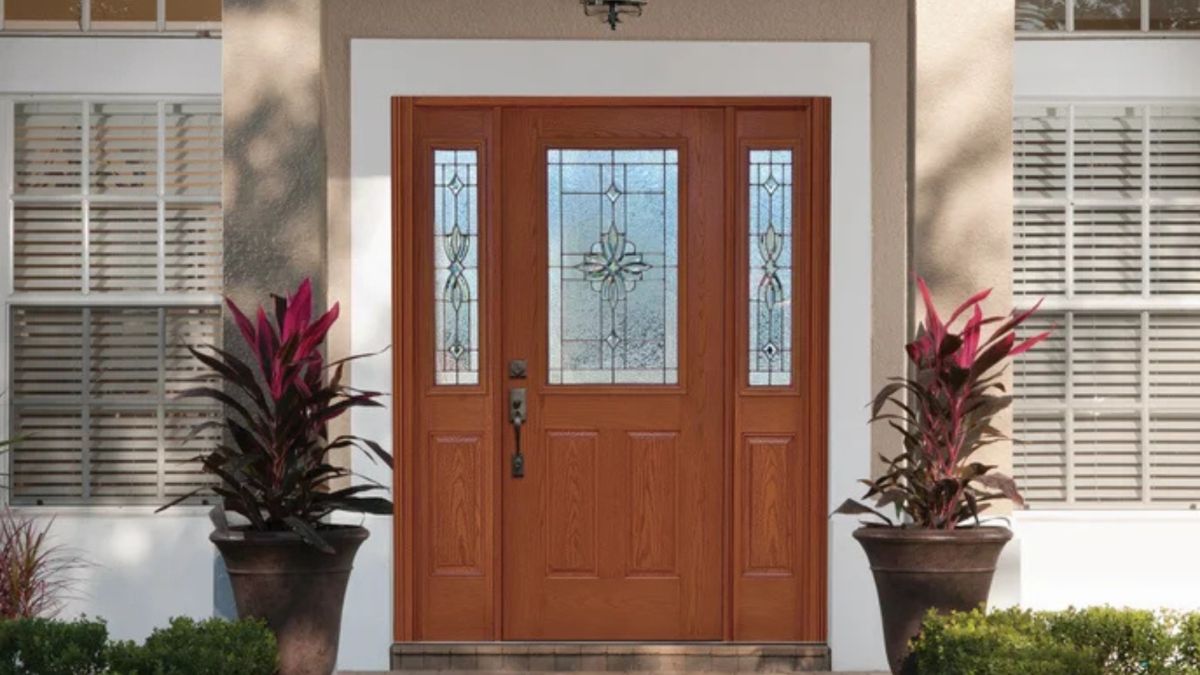
A worn exterior door can let conditioned air escape around its frame, weatherstripping, and glass, making your home work harder to stay comfortable. Energy-efficient replacement doors address these gaps through better insulation, tighter seals, and professional installation suited to Northern Virginia and DC's shifting seasons.
How Can Replacement Doors Improve Home Energy Efficiency?
A properly selected and installed replacement door can help reduce unwanted air leakage around the frame and improve the door's insulation. Construction, weatherstripping, glazing, and installation quality all play a role, so no single feature works in isolation.
Why Do Older Doors Sometimes Cause Energy Loss?
Older doors can lose performance due to worn weatherstripping, gaps that develop around the frame, or deteriorated door components. Not every older door is inefficient—the condition of a specific door and its installation matter more than age alone.
Which Door Features Matter Most for Energy Efficiency?
Insulated door construction, intact weatherstripping, proper frame fit, and quality glazing are the features most likely to affect performance. Professional installation ties these features together, since even a well-built door underperforms if it is not fitted and sealed correctly.
How Does Weatherstripping Help Replacement Doors Perform Better?
Weatherstripping seals the gap between a closed door and its frame, limiting air leakage around the edges. When it wears, compresses, or isn't fitted properly, the seal weakens, and outside air can move more freely around the door.
Does Door Glass Affect Energy Efficiency?
Yes, a door's glass area and glazing type can affect its thermal performance. Insulated glass and Low-E glazing help manage heat transfer, though actual performance depends on the entire door assembly and its installation.
What Should Northern Virginia and DC Homeowners Consider?
Northern Virginia and DC homes experience humid summers and cold winters, so door materials and seals need to withstand a wide seasonal range. During these swings, indoor comfort often depends as much on a door's condition and fit as on its age.
How Does Door Material Affect Energy Performance?
Door material affects insulation, durability, and maintenance needs in different ways. Engineered, factory-finished doors generally resist warping and swelling better than natural wood through humid summers and cold winters, helping the door seal properly over time.
Why Does Professional Door Installation Matter?
Even a high-performance door may not perform as intended if it is improperly fitted, aligned, or sealed. Professional installation addresses the frame condition and surrounding opening, not just the door itself, which is where most air leakage around a "good" door actually originates.
What Signs Suggest Your Door May Be Affecting Home Comfort?
Drafts around the frame, difficulty opening or closing, visible gaps, and damaged weatherstripping are common signs to watch for. These signs do not automatically mean replacement is necessary, since some issues may be limited to a single worn component.
Should You Repair or Replace an Exterior Door?
Minor issues, like a single worn weatherstrip, may only need attention to that specific part. Replacement becomes worth considering when a door shows extensive deterioration, persistent air leakage, or a frame and opening that no longer perform well, since a replacement exterior door is typically the more practical long-term option.
How Can You Choose Energy-Efficient Replacement Doors?
Compare door construction, insulation, glass performance, weatherstripping, and frame condition rather than relying on broad marketing claims. Ask about installation quality and how the door will fit your specific opening, since fit affects performance as much as the product itself.
Door Features and Energy Performance
| Door Feature | How It Can Affect Energy Performance |
| Insulated Construction | Can help reduce heat transfer through the door |
| Weatherstripping | Helps limit air leakage around the closed door |
| Efficient Glazing | Can influence heat transfer through the glass |
| Proper Frame Fit | Helps reduce gaps and unwanted air movement |
| Professional Installation | Helps ensure the door and opening are properly sealed |
Many of the entry and patio doors we install are ENERGY STAR qualified and built with weatherstripping and Low-E glass designed to help manage indoor temperature through the seasons. Every door we install comes with a Lifetime Limited Warranty for long-term peace of mind. Restrictions may apply. For complete details, contact Window World of DC.
If drafts, worn weatherstripping, or an aging frame have you weighing energy-efficient replacement doors, we can walk through entry door and patio door options built for Northern Virginia and DC's seasonal range during a free in-home consultation. Contact us to schedule a visit, or get your free quote to start comparing options.
Frequently Asked Questions
-
A combination of insulated construction, intact weatherstripping, quality glazing, and proper installation makes a replacement door energy efficient. No single feature works alone, so the full assembly and fit both matter.
-
It can, particularly when the old door has worn weatherstripping, gaps around the frame, or damaged components. Results depend on the specific door and how well it is installed, not on replacement alone.
-
Weatherstripping seals the gap between the door and its frame, limiting air movement around the edges. Worn or compressed weatherstripping weakens the seal, allowing outside air to move more freely through the opening.
-
For many homeowners, yes, given the region's humid summers and cold winters. A door that seals well and holds its shape across those swings tends to perform better over time.
-
Look at insulation, weatherstripping, glazing, and frame fit together, as well as installation quality. Comparing verified product specifications is more useful than relying on general marketing claims alone.