

 Back to Blogs
How DC's Four-Season Climate Impacts Window Performance Over Time
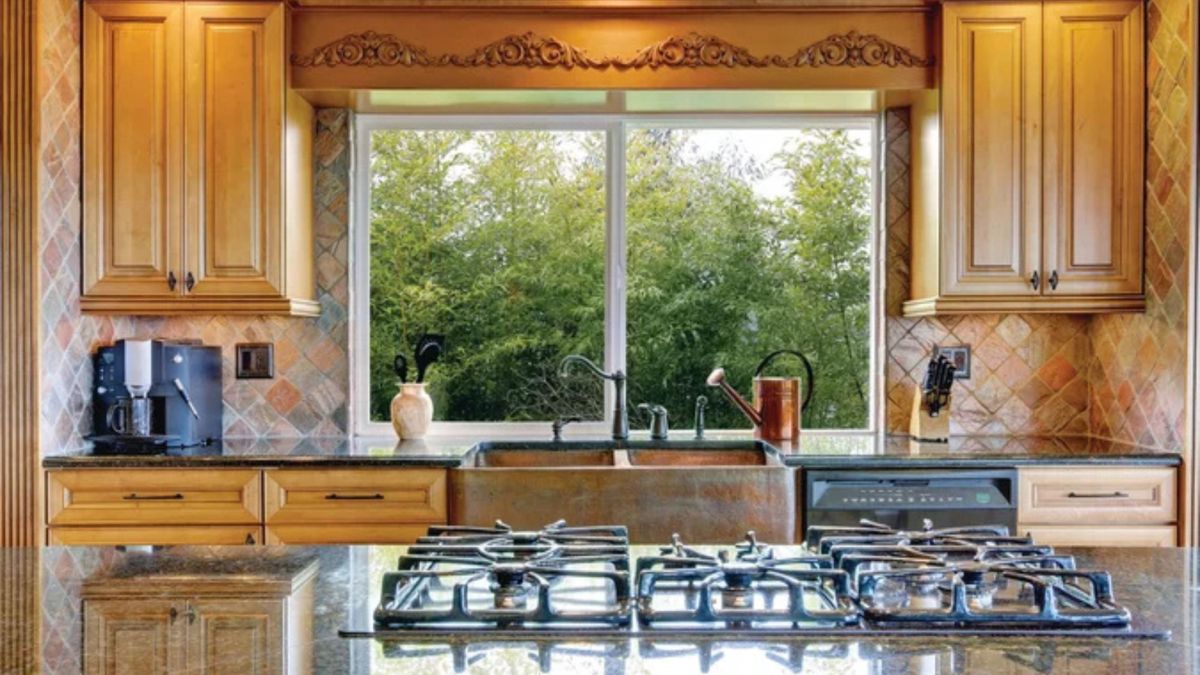
Washington, DC homeowners deal with something most regions never face: real heat, real cold, and everything in between within a single year. That constant shifting takes a toll on windows in ways many people do not notice until the damage is done. Understanding how climate affects windows helps explain why so many DC homes struggle with drafts, fogging, and rising energy bills as the seasons change.
In this guide, we will walk through how each season affects your windows and what actually holds up over time.
Why DC's Climate Is Tougher on Windows Than You Might Think
DC sits in a humid subtropical zone, which means homeowners deal with muggy summers, cold snaps in winter, and heavy swings in between during spring and fall. Few regions ask this much of a window's construction.
Older windows were often built for a narrower range of conditions. When the weather refuses to stay in that range, seals stretch, frames shift, and small gaps begin to form.
The Real Cost of Seasonal Wear
Every expansion and contraction cycle puts a small amount of stress on window seals and frames. Over years of DC summers and winters, that stress adds up to noticeable performance loss.
How Each Season Affects Your Windows
Understanding how climate affects windows starts with examining what each season does to the glass, frame, and seals over time.
Summer Heat and Humidity
DC summers bring high humidity and long stretches of intense heat. Older windows often let heat transfer through the glass, forcing your air conditioner to work harder than it should.
Humidity can also seep in around worn seals, leading to foggy glass or a sticky feeling near windows on the most humid days.
Winter Cold and Temperature Swings
Winter in DC is not always harsh, but it does bring sudden cold snaps that stress window frames. Rapid temperature drops cause materials to contract quickly, which can widen existing gaps.
Drafty windows in winter are one of the clearest signs that seals and frame materials are no longer keeping pace with the weather.
Spring and Fall Humidity Shifts
Spring and fall bring their own challenge: constant humidity swings as the region moves between wet and dry stretches. This back-and-forth causes repeated expansion and contraction of frame materials.
Homeowners often notice this most as sticking windows or gaps that seem to appear and disappear with the weather.
Signs Your Windows Are Losing the Battle With DC's Climate
A few warning signs tend to recur in homes struggling with seasonal wear. Catching these early can prevent bigger comfort and efficiency losses.
- Condensation forming between glass panes.
- Noticeable drafts near the frame during winter
- Rooms that feel warmer or cooler than the rest of the house
- Windows that stick or feel harder to open
- Rising energy bills without a clear explanation
What Holds Up Best Against DC's Seasonal Extremes
Not every window material handles DC's climate the same way. A few specific features make a real difference for homes in four distinct seasons.
Vinyl Frames Built for Temperature Swings
Vinyl frame construction holds its shape and seal well across a wide range of temperatures. This matters in a climate where frames face both summer heat and winter cold within the same year.
Multi-Pane Glass With Insulating Gas
Multiple panes of glass with insulating gas sealed between them significantly slow heat transfer. This helps keep summer heat out and winter warmth in, reducing strain on your HVAC system.
ENERGY STAR Qualified Performance
ENERGY STAR®-qualified windows are tested against real seasonal conditions, not just ideal ones. Choosing certified options gives homeowners confidence that the window will perform as promised across DC's full range of weather conditions.
How We Help DC Homeowners Handle Every Season
We understand that homes throughout the DC, Maryland, and Virginia area need windows built for genuine seasonal extremes, not just mild weather. Our approach starts with understanding your home's specific exposure to sun, wind, and humidity.
For homeowners looking for durable upgrades, replacement windows in Middleburg, VA can provide improved energy efficiency, better comfort, and reliable performance through changing weather conditions. From there, we completely remove the old, underperforming window and install a brand-new vinyl replacement window designed to handle real DC conditions year-round. Every window we install is backed by a Lifetime Limited Warranty for long-term peace of mind. Restrictions may apply. For complete details, contact Window World of DC.
Here is what the process typically looks like.
- Schedule a free quote so our team can evaluate your home's seasonal exposure.
- Choose a vinyl window style suited to your home, such as double-hung, casement, or picture windows
- The old window is removed entirely, frame included
- A new, properly sealed vinyl replacement window is installed
- A final walkthrough confirms proper fit and performance
If your home has structural issues around the window opening unrelated to the window itself, that work should be completed by a licensed contractor before installation begins.
Windows Built to Handle Every DC Season
Once you understand how climate affects windows throughout the year, it becomes much easier to see why some windows last for decades while others fail within a few years. DC's mix of heat, humidity, and cold demands more from a window than most regions ever require.
We have seen firsthand how much of a difference a properly installed vinyl window makes across every season DC throws at it. It is an upgrade that pays off in comfort, efficiency, and peace of mind for years to come. Ready to stop letting the seasons wear down your windows? Request your free quote today and let us show you what a window built for DC's climate can really do for your home.
Frequently Asked Questions
-
Heat, humidity, and cold cycles cause seals and frames to expand and contract, gradually leading to drafts and fogging.
-
Yes, vinyl frames maintain their shape and seal well across wide temperature swings compared to older frame materials.
-
Cold snaps cause rapid contraction of worn frames and seals, widening existing gaps and letting in cold air.
-
Yes, repeated humidity swings in spring and fall put ongoing stress on seals, which can shorten their effective lifespan.
-
Yes, they are tested against real seasonal extremes, offering better performance through DC's heat, humidity, and cold.